Hidden Credit Card Fees and How to Avoid Them
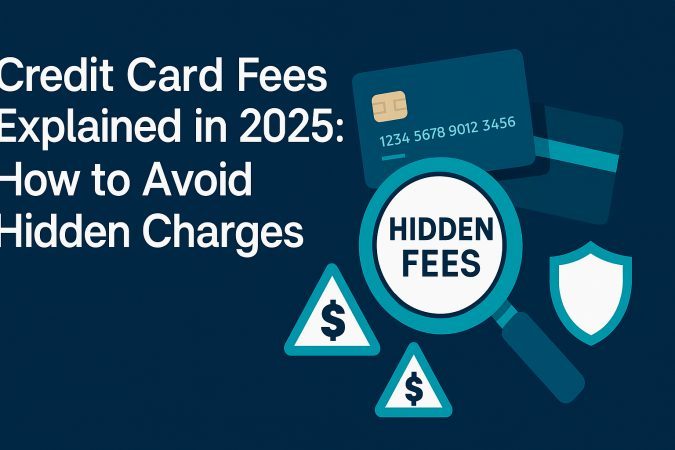
Fees are the amount that credit card providers charge to their users. However, not all these charges are worth paying for. Good thing, there are ways on how to avoid paying for these fees.
Here are the common hidden credit card fees that providers charge to their cardholders that you can avoid.
Annual Fees
The perks we are enjoying in using the credit card comes with an additional amount that we need to pay. This amount is called annual fee. For example, the bank of commerce mastercard classic card has annual fee since it is packed with a variety of benefits, such as complimentary airport lounge access and installment plan features.
How to avoid: When choosing for a credit card, opt for one that does not charge annual fees. You can use online comparison sites, compare card that has no annual fees, and see which one works best for you.
Balance Transfer Fees
Balance transfer fee refers to the amount being deducted to cardholders for transferring their existing balance to another credit card account. Commonly, credit card providers charge for about 0.50% to 3% fee to their users. However, these percentages will still depend on the card company you choose. Take note that the higher amount you transfer, the higher your balance transfer will be.
How to avoid: Paying for a balance transfer fee makes sense. However, you still have to check if it is worth it.
Teaser Rates
Many credit card providers in the market offers promotional interest rate and unlimited rewards to entice potential credit card users. Before signing up for it, take time to review the terms and conditions of the credit card. Some of these promotional rates are good for only 1 to 2 years, which is only offered just to tempt consumers to get one.
How to avoid: Review carefully the fine print before applying for the card. Look if the offered rates and promos are for introductory only. You need to weigh if the low interest rates initially offer will enable you to save money in the long run.
Cash Advance Fee
The cash advance feature in a credit card allows its users to withdraw amount from their credit card, which are subject to a certain limit. Card companies charge users for this kind of service. Often, cash advance fee has a higher rate compared to balance transfer fee and late payment fee.
How to avoid: Look for credit card that has a cash advance fee of 3% to 5% just like what eastwest platinum mastercard offers. This is the ideal percentage of a cash advance fee.
Key Takeaway
Truly, there are fair share of pros and cons when it comes to owning a credit card. One of the things that a cardholder should pay attention is the credit card fees. Many card providers charge different fees and the good thing about it is that most of these card fees are avoidable.
Make time to do a research and compare different credit cards to identify which one charge various charges. Review if you can avoid these fees. Plus, it is necessary to pay attention and read carefully the fine print before signing up with a card provider.