Everything you need to know about cholesterol and heart health
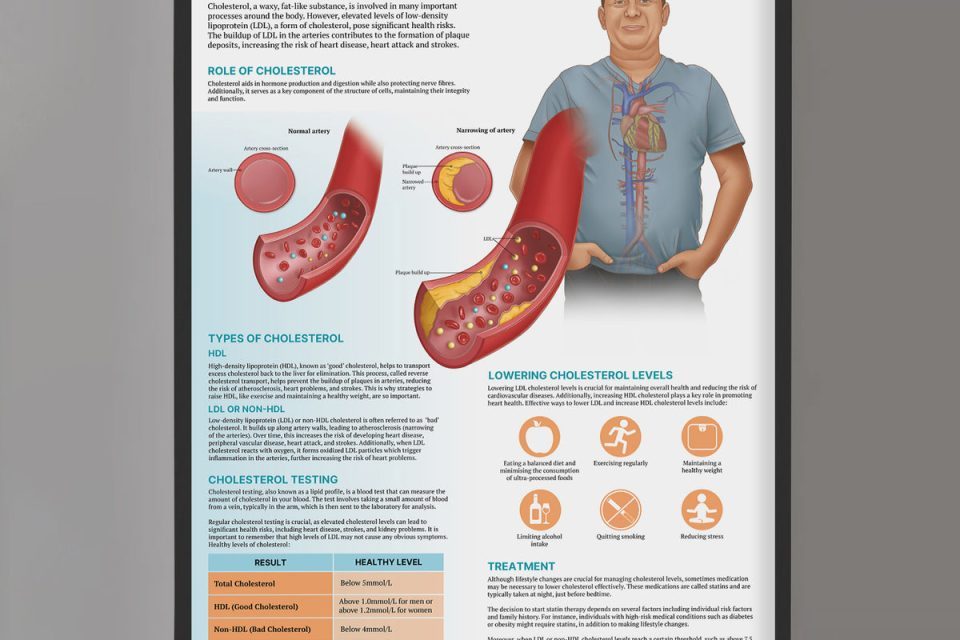
Cholesterol can be of two types – LDL and HDL. LDL stands for Low-Density Lipoprotein, and HDL stands for high-density lipoprotein. Lipoproteins are large molecules that consist of fat and protein molecules. These large molecules carry the triglycerides and cholesterol throughout your circulatory system. When a person has too much LDL in his or her bloodstream, the medical experts consider him or her to have high cholesterol. At the same time, high levels of HDL have little to no effect on the health of a person.
What is bad cholesterol?
Many refer to LDL as bad cholesterol. This lipoprotein carries the cholesterol molecules to your arteries. People who have considerably high levels of LDL experience cholesterol build-up on the arteries causing atherosclerosis. This kind of a build-up is a cholesterol plaque. As the cholesterol breaks away from the walls, it can travel to the heart, or brain or block a major artery. Cholesterol is often the leading cause of a stroke or heart attack among adults. According to the CDC, over 33% of the American adults have a high level of LDL in their blood.
How can you control your LDL cholesterol?
There are different ways you can control the level of bad cholesterol in the body. Here are a few tips you should always keep in mind –
- Pay attention to what you are eating. Food with trans-fat and saturated fat are bad for your cholesterol levels. Next time, pay attention to the labels on your food containers.
- Our basal cholesterol levels can remain normal without the consumption of food containing a high level of it. Do not worry about the deficiency of it. It does not happen.
- Try to eat unsaturated fats. You can replace butter with olive oil. Eat clean cuts. Include seeds and nuts instead of chips and crisps.
- Exercise. We cannot stress this enough, but working out metabolizes stored fat, and it can prevent the onset of atherosclerosis, even when a person has a high predisposition towards it.
It is imperative to go for doctor’s visits and get your blood work at least once per year. Check your total cholesterol levels and LDL levels. If they are higher than normal, ask your physicians for tips on lifestyle changes that might help you in the long run. According to the new guidelines, your doctor must prescribe medication or treatment for your cholesterol, even if you do not have a risk of developing cardiovascular diseases if your LDL is higher than 189 mg/L.
What are the symptoms of high cholesterol?
Cholesterol problems are silent. They do not have tell-tale signs like more disorders and diseases do. If you have diabetes or hypothyroidism, you might fall into the high-risk group. The only way to find out is by getting the tests per year. Otherwise, you might miss the window of control and treatment. If you do not treat your cholesterol problem on time, it might lead to life-threatening complications like a heart attack or stroke.