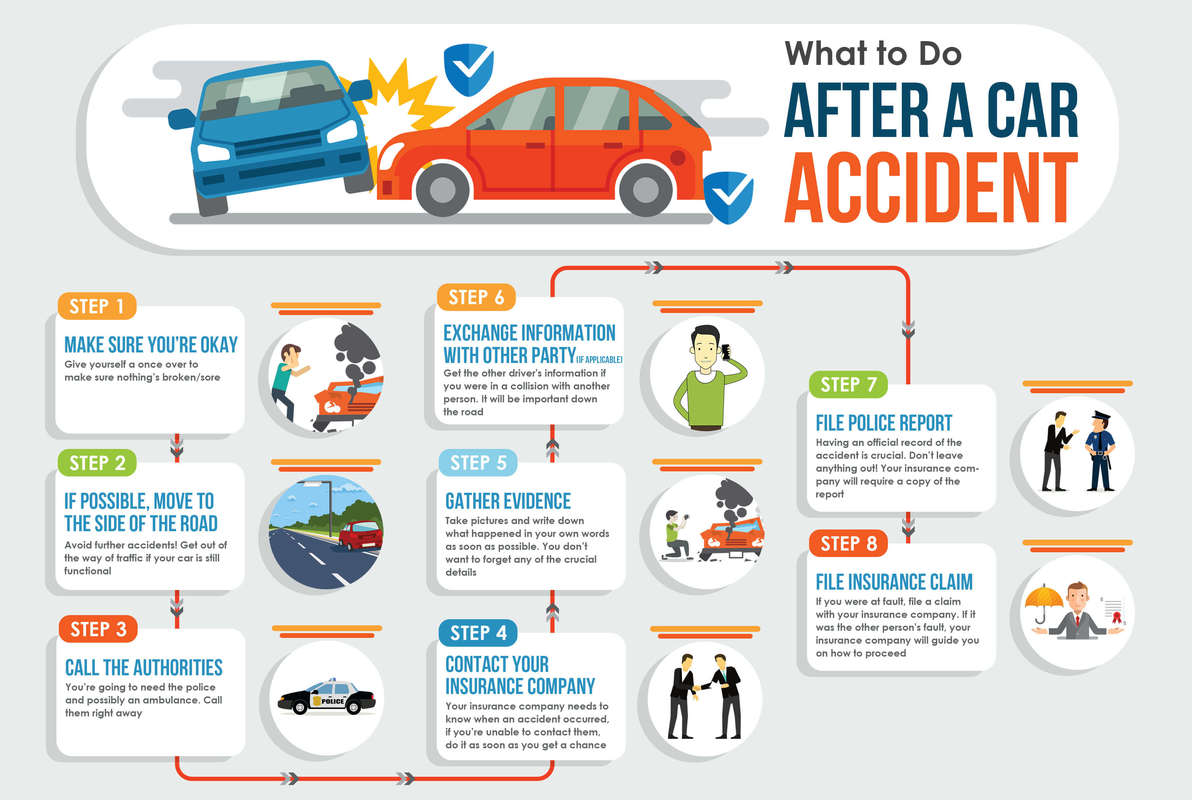
What to Do After a Car Accident
Most drivers have no idea what to do first after a car accident. In most
incidents, concern for others takes over relatively quickly and everyone goes
to everyone else’s aid. This is definitely important and shouldn’t be overlooked.
It’s the next 15 minutes where all the mistakes are made. The problem is those
mistakes can cost a driver their insurance, their driver’s license and in
extreme cases their freedom.
Attorneys at car injury law firms will tell you it is crucial you
make no mistakes in your handling of a car accident. There is simply too much
at stake. If you want to be well prepared for the eventuality of an accident
the next time you take the wheel, here are some things to consider.
Remain Silent
Under no circumstances should you answer any questions posed by police
officers. By and large your answers to questions should be limited to those you
are legally required to answer. You should provide all the necessary documents
when asked. You should make certain your counterparties have what you are
legally required to provide them. However, you should not get into a discussion
of the details, who was doing what and when, or any disputes over fault, the
state of repair of any vehicle, or apologies given or solicited.
The thing to remember, aside from the civil liability you may be facing is the
fact that criminal liability could be present at any accident scene. It takes
little more than the wrong thing said at the wrong time to entangle you in a
potential criminal investigation. It is always better to avoid such
misunderstandings. Follow the advice your auto injury lawyer would
agree is the best advice: Keep your mouth shut.
Lock Your Car
This is one of those things nobody ever thinks about at the time, but that can
come back to bite them later when they least expect it. What is inside your car
is your business. So it makes perfect sense to move your property from the
inside of your car to the trunk, roll up all the windows and lock the car
unless you are sitting in it.
Why is this important? For the same reason that keeping silent is important.
All it takes is for a police officer to walk by your car, glance inside, see
something curious and then sit down in your driver’s seat for a little
uninvited search. The next thing you know, you’re looking at a medium-sized
legal nightmare that may or may not have anything to do with the accident, but
will have everything to do with you.
However, if there’s nothing in your car and it is locked, your car accident personal injury lawyer will
have a much easier time defending you against the police officer’s
extracurricular exploratory activities. While you’re getting in the habit of
securing your vehicle, remember to never consent to any search of your person
or property, regardless of what stories the police tell you.
Identify Witnesses
Everyone at the accident scene has a legal duty to truthfully testify as to
their observations and experiences. So make sure you know who they all are. For
other drivers, this is easy, as you will be taking photographs of their
licenses and insurance information with your mobile phone. But those aren’t the
only witnesses. Get photos of every police officer’s name tag and badge and do
the same for first responders. Get the license plates of the emergency vehicles
too.
If there are any bystanders, try to get their statements on video at the scene.
Get their information as well if you can, but try to get their statements
early. Car injury law firms can make use of reliable witness
statements. While they are talking, turn the camera to get a shot of the
accident at least once. Then you can’t be accused of staging the witness
statement later.
Gather Evidence
You have a magical device that accident investigators of yesteryear would have
been grateful to own. It’s the camera with unlimited film in your mobile phone.
If there were ever a device invented for investigations, this is it. You should
get photographs of all the damage to your own car for starters. Then do the
same for all other involved vehicles. Try to photograph the interior of all
other involved vehicles too if you can.
Photograph all the license plates at the scene and make sure you get shots of
all the nearby traffic signals, signs and road markings. If there are any
unusual road or weather conditions, document them.
If there are any surveillance cameras in the vicinity, photograph them too. You
may be able to return later and collect their footage to get different angles
and a live shot of the accident itself. If you see any automatic teller
machines, public transit stops, banks or convenience stores nearby they will
likely have surveillance cameras that may have captured the accident as
well.
If at all possible, install a dash camera at your earliest opportunity.
A car accident personal injury lawyer can capitalize on dash cam
footage if the case goes to trial. The footage from a live dash cam can also
make the difference if there is any dispute as to the cause or circumstances of
the accident. Naturally, the dash cam can also be used to monitor the aftermath
and demonstrate the cooperation or lack thereof by other parties to the
accident.
Any auto injury lawyer will tell
you it is the driver who can reconstruct an accident scene at a much later date
who will have the legal advantage in the event of a dispute. Evidence is
everything in a court of law.
While it might seem that this level of preparation is wishful thinking, the
reverse is actually the key to winning if your accident ends up in court.
Preparation is what will set you apart from drivers who would rather deal with
higher insurance premiums, less certainty and the risk of losing their driving
privilege. There is no need for you to risk any of these things if you know
what to expect and are ready to handle it.